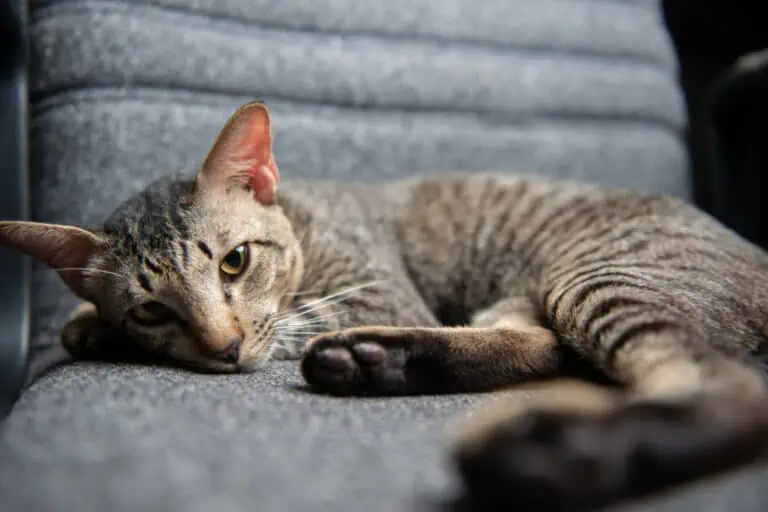
What are the signs that your cat needs a friend?

What are the signs that your cat needs a friend?

You’ve got a friend in me. You’ve got a friend in me! We all need a trusty companion we can lean on from time to time. And our cats are no different, even though they can often appear ignorant and independent.

01/03/24

You’ve got a friend in me. You’ve got a friend in me!

We all need a trusty companion we can lean on from time to time.

And our cats are no different, even though they can often appear ignorant and independent.

Our whiskered fur-balls are generally besotted with their human housemates.

However, when it comes to playtime, they might seek the friendship of a fellow feline.

Here are a few triggers to help pet parents identify when their purrer might want a pal.

7 signs that your cat wants another cat

  1. Clinginess. Is your kitty giving you a bit more attention than usual? Is it refusing to leave you alone, acting as your shadow, and following every footstep? If they’re craving more and more attention, and their meows are becoming excessive, then it might be a sign that they’re desperate for an alternative form of social interaction. 
  1. Appetite. A change in your cat’s feeding habits could denote a craving for kitty companionship. Overfeeding could be illustrative of boredom and a need for social stimulation whilst a lack of appetite could be indicative of depression and/or loneliness.
  1. Appearance. If your normally proud and pristine-looking pet is beginning to resemble a feline that has been dragged through a hedge backwards, then this could be a tell-tale sign of distress. At the opposite end of the spectrum, overgrooming to prevent an unkempt appearance could also be a cry for companionship. 
  1. Behaviour. Rebellious and destructive episodes; scratching at your favourite pieces of furniture in your absence, knocking over plants and/or ornaments, or ripping rugs/carpets/curtains, can all be signs of boredom. They’re not necessarily hitting out at pet parents, just simply filling their time inquisitively and exploratively. 
  1. Toilet habits. Dirty protests or unusual litter box habits can also be a sign of stress or loneliness. Our kitty-cats are creatures of habit so any form of deviation from their normal behaviour should come as a red flag. Any changes can be shared with your veterinarian.
  1. Sleep pattern. A shift in a feline’s sleeping habits can indicate loneliness. If a cat chooses to ostracise itself and visit the land of nod to catch 40 winks, rather than interact with their normally favourite human housemate, then it could be a cry for companionship. If you feel this is completely out of the ordinary, have them assessed by a veterinarian to screen out any underlying medical issues.
  1. Mood/demeanour. Cats aren’t too dissimilar to their pet parents when it comes to displaying signs of boredom and/or loneliness. If they’re experiencing either, and are becoming distressed due to the situation they’re in, then their energy levels might plummet and they’ll become lethargic as a result. It could be a sign that they’re pining for a feline friend to play with.

Is it safe to introduce an older cat to a kitten? 

Bringing a new kitten home when you already have an older cat? It’s definitely possible, but don’t expect it to be love at first meow.

Older cats can be creatures of habit. They’re used to their space, their routine, and most of all, their peace and quiet. So, while some might eventually welcome a playful new pal, others may take one look at your kitten and head straight under the bed.

That’s why a slow, careful introduction is key. You’ll want to keep the kitten separate at first, allow both cats to get used to each other’s scent, and gradually increase their time together. Keeping the environment calm and positive (with plenty of treats and praise) will help set the stage for success.

If possible, try to match the kitten’s temperament to your older cat’s. A hyperactive ball of energy might overwhelm a shy or senior cat, but a calmer kitten might just win them over.

Should I get my cat another cat of the same age? 

It depends entirely on your current cat’s personality. Some cats are more than happy being the only feline in the house, especially if they’ve had the run of the place for a while. They may not take kindly to a new “roommate” stealing their napping spots or your attention.

Others, especially younger or more sociable cats, might enjoy the company. If your cat loves to play, is curious about other animals, and seems lonely during the day, a companion could be a great fit.

Matching ages (or at least similar energy levels) can make the transition easier. Two playful young cats may bond more quickly than a kitten and a senior, who might not appreciate being pounced on at nap time.

The Golden Rule?

Pay attention to your cat’s behaviour and body language. If they’re relaxed, friendly, or even curious when meeting new animals, that’s a promising sign. If they’re anxious, territorial or aggressive, you might be better off letting them remain the solo star of the show.

Never force the issue 

Slow and steady wins the race when it comes to integrating a second cat into your household.

No matter how lonely, depressed or bored your four-legged fur-baby might seem, pet parents should avoid forcing felines together too quickly.

If you do commit to introducing a new kitty-cat companion, be sure to keep a close eye on how they’re both behaving.

Should they exhibit behaviour such as hiding, secluding themselves, standing tall with an arched back, puffing up their tail, or hair standing on end, then it is important to intervene to break up this stressful situation.

Welcoming a second pet into your home can be easier said than done, it can take a little bit of time, but pet parents can prevail with patience and perseverance.